Understand the money and machinery behind the headlines.

What The Hell Happened This Week?

Oil Broke $100. Then the Cost of Money Moved.

The week’s real story wasn’t crude itself. It was how an energy shock became an inflation, central-bank and bond-market problem.

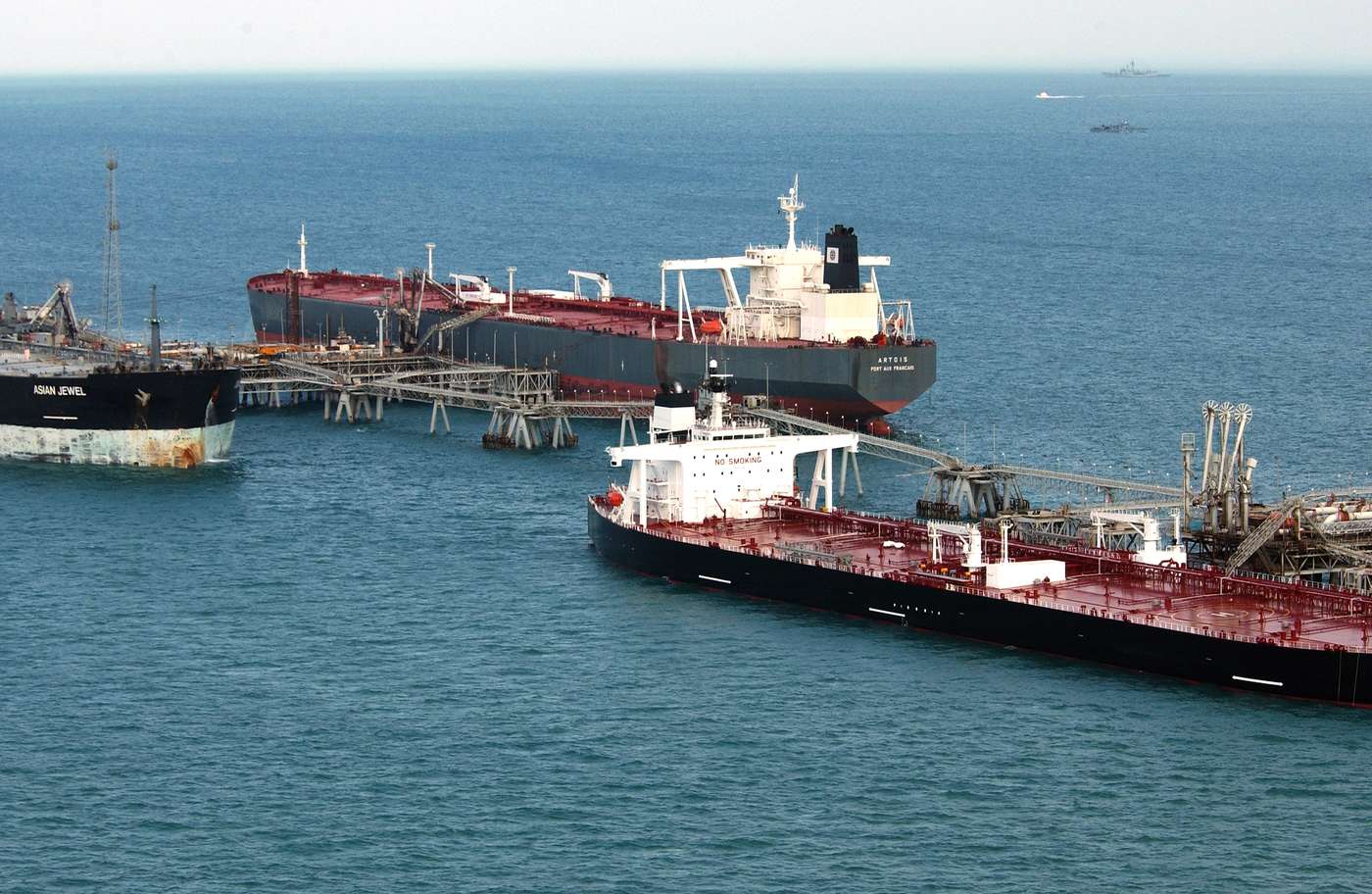
Three crude oil tankers moored at the loading arms of an offshore oil terminal in open Gulf water, seen from above. Pipework runs from the terminal platform to each vessel.

A central bank can cool demand.It cannot produce a barrel of oil.

File photograph: Richard J. Brunson · U.S. Navy · December 2004

Read the explanation Approx. 8 min read

More explanations

Explore all

Securitization does not turn bad loans into good loans.

How Money Actually Works

How Securitization Turns Loans and Cash Flows Into Bonds

Securitization is not a magic trick that turns risky loans into safe bonds. It is a legal and cash-flow machine that moves assets into a financing vehicle, raises money from investors and turns one stream of payments into claims with different priorities.

A bank does not have to run out of money to run out of room.

How Money Actually Works

How Bank Capital Actually Limits How Much a Bank Can Lend

A bank can have deposits, cash and willing borrowers and still decide it cannot — or should not — make the next loan. The reason is that funding the loan and having enough capital to support the enlarged balance sheet are two different things.

Never dumb it down. Make it clear.

In Lay Terms explains the money and machinery behind the headlines. Founded and edited by Ithran Olivacce, with a career inside institutional finance.

Show the sourcesExplain the mechanismCorrect the record